Rocky Linux
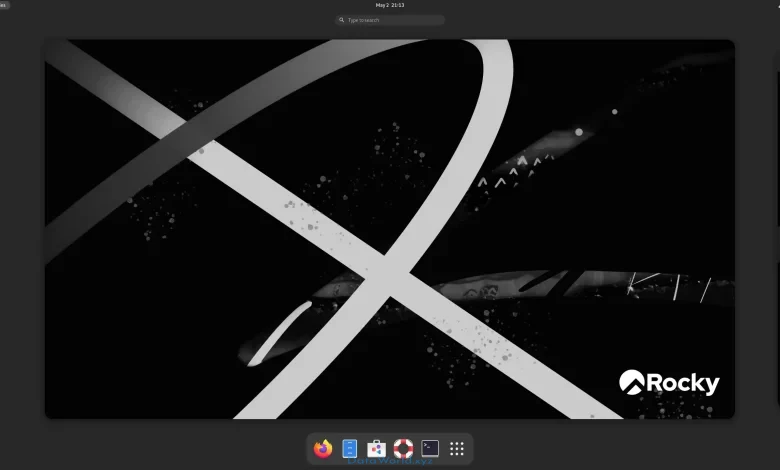
Rocky Linux is a community-driven, enterprise-grade operating system designed to be 100% bug-for-bug compatible with Red Hat Enterprise Linux (RHEL). It emerged as a successor to CentOS Linux after Red Hat shifted its focus to CentOS Stream, leaving a void for a stable, downstream RHEL rebuild. Founded by Gregory Kurtzer, the original creator of CentOS, Rocky Linux aims to provide a robust, production-ready operating system with long-term support, catering to businesses, data centers, and cloud environments that require the stability and reliability of RHEL without the subscription costs.
The operating system is built upon the Linux kernel and adheres to the RHEL architecture, offering a consistent and familiar environment for users accustomed to Red Hat-based distributions. Its core philosophy revolves around stability, security, and community governance, ensuring that it remains a reliable platform for critical workloads. Rocky Linux provides a comprehensive set of tools and services, including extensive software repositories, containerization support, virtualization capabilities, and robust security features like SELinux, making it suitable for a wide range of enterprise applications from web servers to high-performance computing.
 Rocky Linux
📌 Overview & Description
Rocky Linux is a community-driven, enterprise-grade operating system designed to be 100% bug-for-bug compatible with Red Hat Enterprise Linux (RHEL). It emerged as a successor to CentOS Linux after Red Hat shifted its focus to CentOS Stream, leaving a void for a stable, downstream RHEL rebuild. Founded by Gregory Kurtzer, the original creator of CentOS, Rocky Linux aims to provide a robust, production-ready operating system with long-term support, catering to businesses, data centers, and cloud environments that require the stability and reliability of RHEL without the subscription costs.
The operating system is built upon the Linux kernel and adheres to the RHEL architecture, offering a consistent and familiar environment for users accustomed to Red Hat-based distributions. Its core philosophy revolves around stability, security, and community governance, ensuring that it remains a reliable platform for critical workloads. Rocky Linux provides a comprehensive set of tools and services, including extensive software repositories, containerization support, virtualization capabilities, and robust security features like SELinux, making it suitable for a wide range of enterprise applications from web servers to high-performance computing.
⚙️ Technical Specifications & Release Timeline
💻 System Requirements (Minimum vs Recommended)
| Hardware Component | Minimum Requirements | Recommended Requirements |
|---|---|---|
|
Processor (CPU)
|
64-bit x86 processor (e.g., Intel/AMD dual-core equivalent) | Modern multi-core 64-bit processor (e.g., Intel Xeon or AMD EPYC equivalent) |
|
Memory (RAM)
|
1.5 GB | 4 GB or more (depending on workload) |
|
Storage Space
|
20 GB | 100 GB+ SSD |
|
Graphics Card (GPU)
|
Basic VGA compatible graphics card, 1024x768 resolution (if GUI is used) | Any modern GPU with sufficient resolution for desktop environments (if used), or none for server deployments |
✅ What is Supported
- Enterprise-grade stability and reliability
- Long-term support (LTS) with security updates
- Extensive software repositories (AppStream, BaseOS, EPEL)
- Containerization technologies (Podman, Docker, Kubernetes)
- Virtualization platforms (KVM, Xen)
- Multiple desktop environments (GNOME, KDE, XFCE, MATE)
- Cloud integration (AWS, Azure, GCP, OpenStack)
- Robust security features (SELinux, firewalld, OpenSCAP)
🚀 Best Supported For (Ideal Use Cases)
- Enterprise servers and data centers
- Cloud deployments and virtual machines
- Web servers, database servers, application servers
- Development and testing environments requiring RHEL compatibility
- High-performance computing (HPC) clusters
- Long-term stable production environments
- Organizations seeking a free, open-source RHEL alternative
🌟 Key Features & Advantages
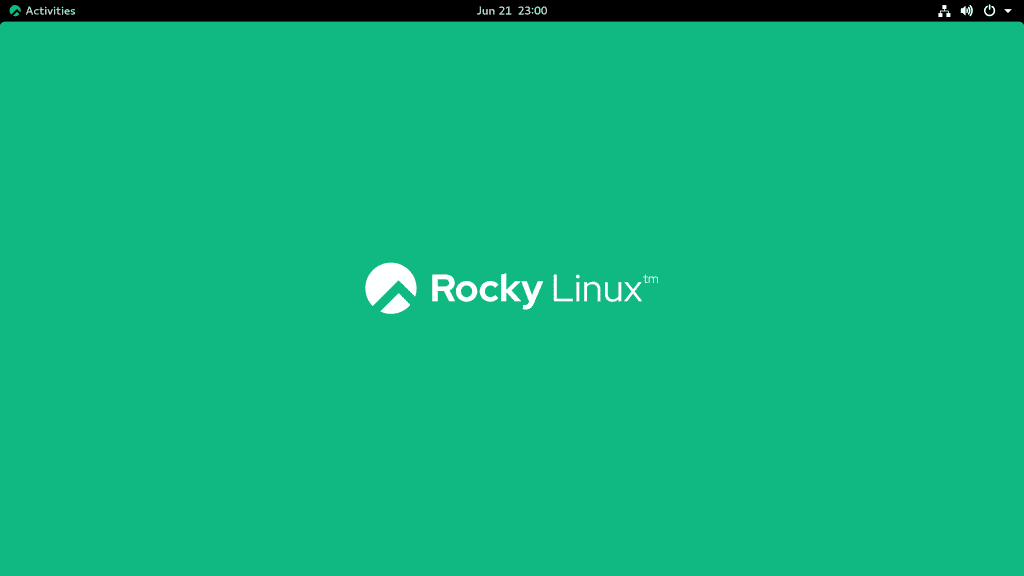
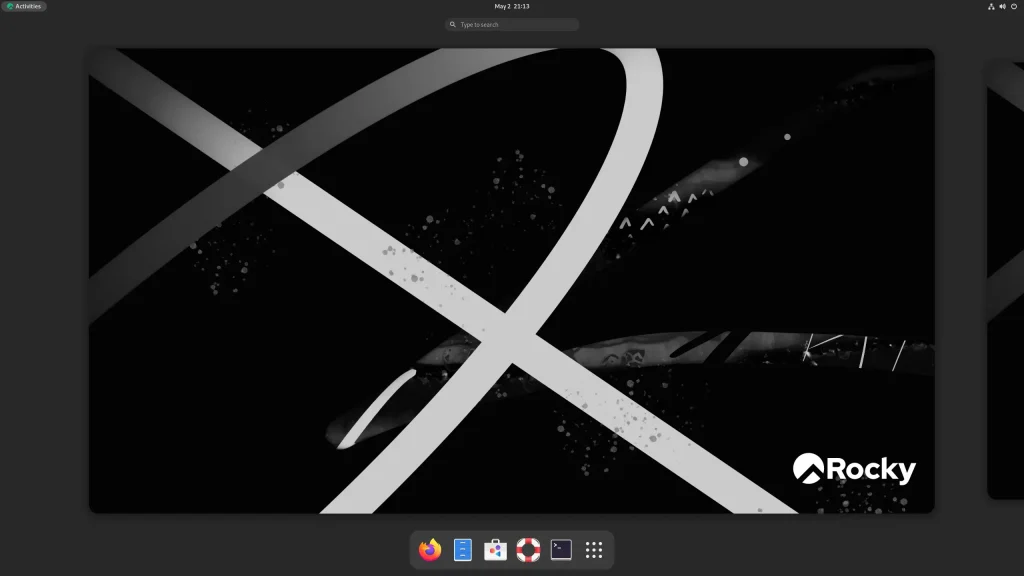
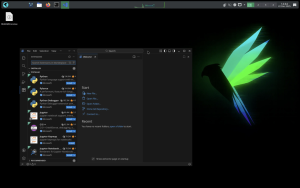
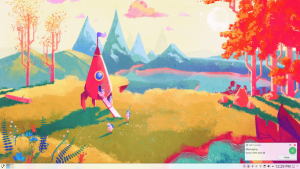
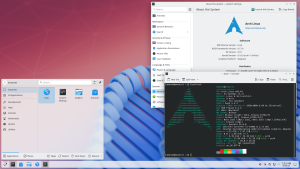
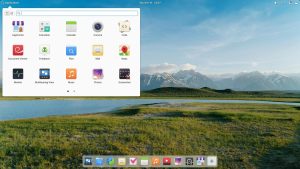
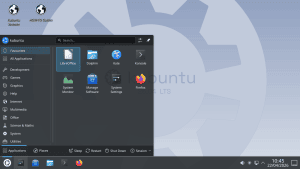
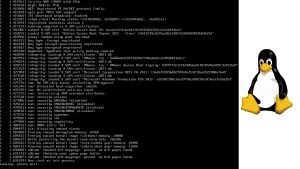
OS Screenshots