LineageOS

LineageOS Custom ROM Explained
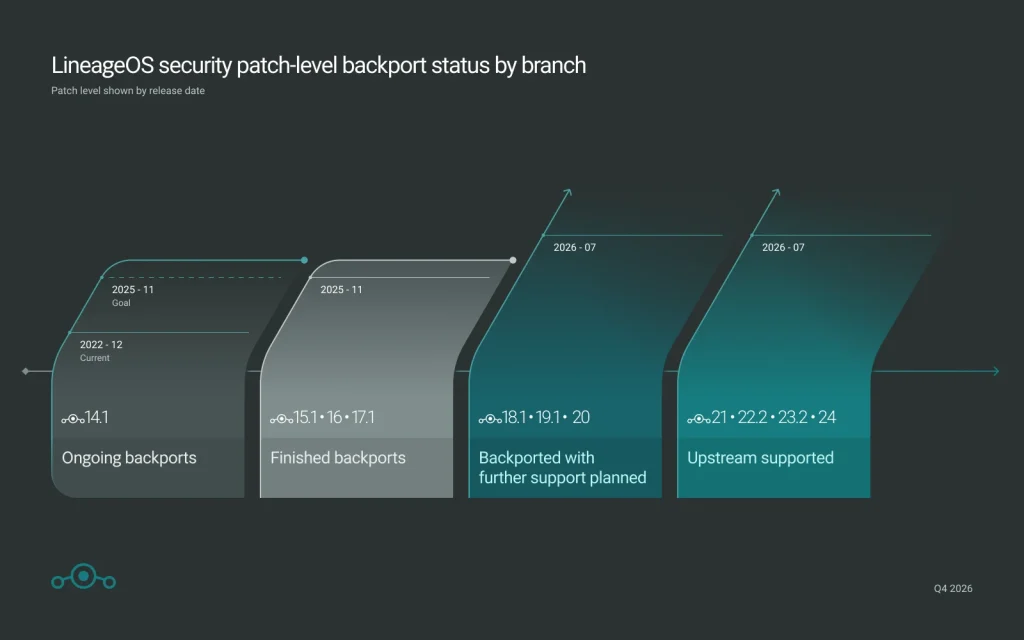
LineageOS custom ROM represents the pinnacle of open source Android development, offering a robust alternative to proprietary smartphone firmware. This popular custom Android ROM empowers users with unparalleled Android customization, focusing on privacy, performance, and extended device longevity. Furthermore, LineageOS features a clean, bloatware-free experience, allowing for a truly personalized mobile OS. Consequently, for those seeking to unlock their device’s full potential and embrace open source Android principles, exploring LineageOS features is essential. This leading smartphone firmware transforms your device with enhanced control and flexibility, making it a top choice for enthusiasts.LineageOS Android is a modern, versatile, and reliable operating system engineered to deliver responsive performance, strong security isolation, and broad hardware compatibility. It combines a streamlined user interface with an optimized system kernel to handle both everyday workflows and demanding technical tasks.
Whether deployed on personal desktops, portable laptops, or virtualized environments, LineageOS Android provides a stable software ecosystem, regular security updates, and efficient hardware resource management.
 LineageOS Android
📌 Overview & Description
LineageOS Android is a modern, versatile, and reliable operating system engineered to deliver responsive performance, strong security isolation, and broad hardware compatibility. It combines a streamlined user interface with an optimized system kernel to handle both everyday workflows and demanding technical tasks.
Whether deployed on personal desktops, portable laptops, or virtualized environments, LineageOS Android provides a stable software ecosystem, regular security updates, and efficient hardware resource management.
⚙️ Technical Specifications & Release Timeline
💻 System Requirements (Minimum vs Recommended)
| Hardware Component | Minimum Requirements | Recommended Requirements |
|---|---|---|
|
Processor (CPU)
|
1.5 GHz Dual-Core 64-bit Processor | Quad-Core 2.4 GHz+ Processor (Intel Core i5 / AMD Ryzen 5 or equivalent) |
|
Memory (RAM)
|
2 GB to 4 GB RAM | 8 GB or 16 GB RAM |
|
Storage Space
|
25 GB available storage space | 128 GB+ SSD (Solid State Drive) |
|
Graphics Card (GPU)
|
Standard HD Graphics (1024x768 or 720p display) | Full HD (1920x1080) Hardware-Accelerated GPU |
✅ What is Supported
- Modern 64-bit multi-threaded desktop and CLI applications
- Built-in firewall, disk encryption, and automated security updates
- Wi-Fi, Bluetooth, USB-C, NVMe SSD, and multi-monitor hardware peripherals
- Containerization, virtualization, and developer command-line toolchains
- Standard multimedia codecs, HD audio, and hardware-accelerated graphics drivers
🚀 Best Supported For (Ideal Use Cases)
- Daily Desktop & Laptop Computing, Web Browsing & Multitasking
- Software Programming, Web Development & Server Administration
- Office Document Processing, Presentations & Remote Collaboration
- Media Streaming, Lightweight Gaming & Educational Use
🌟 Key Features & Advantages
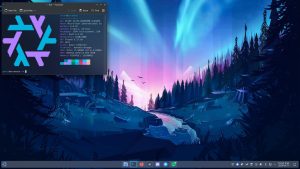
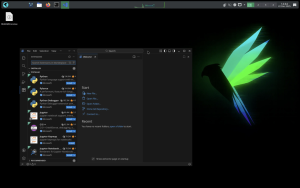
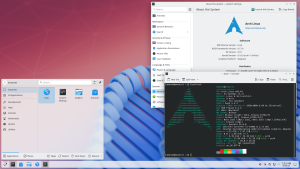
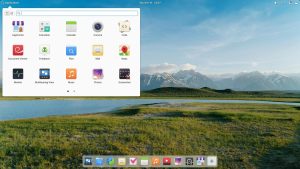
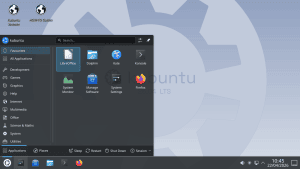
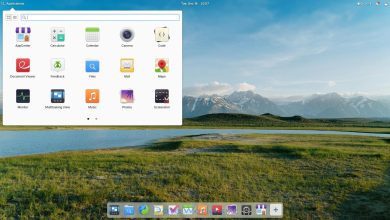
OS Screenshots