Parrot OS
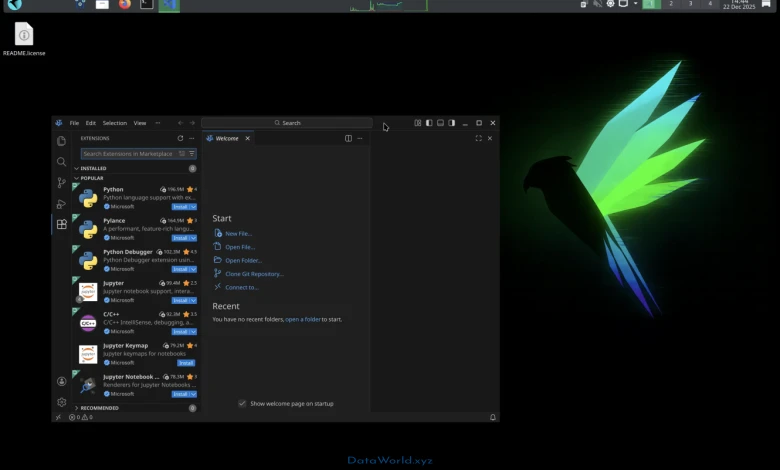
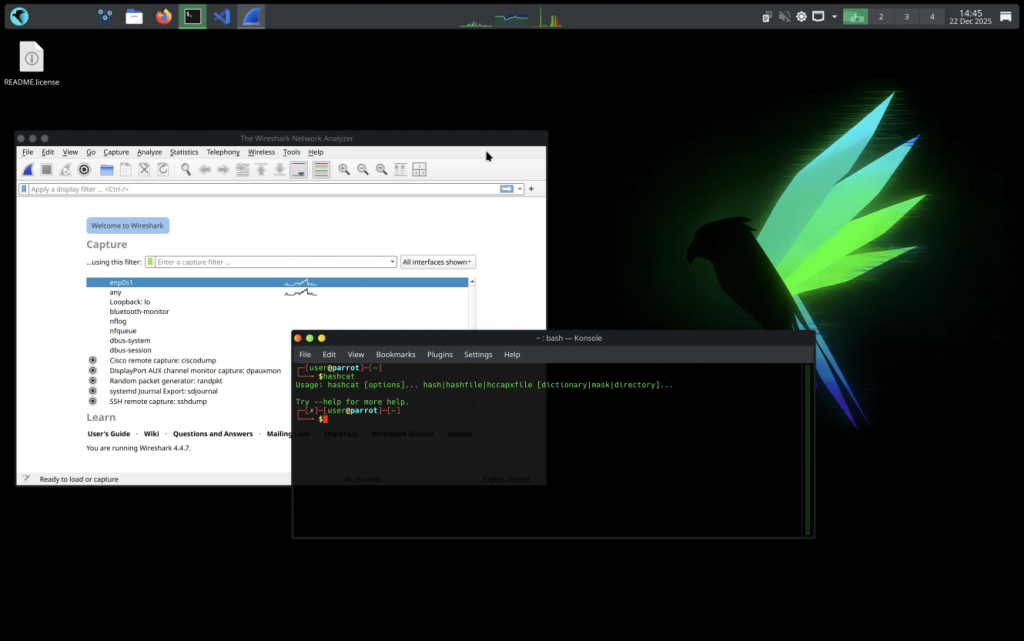
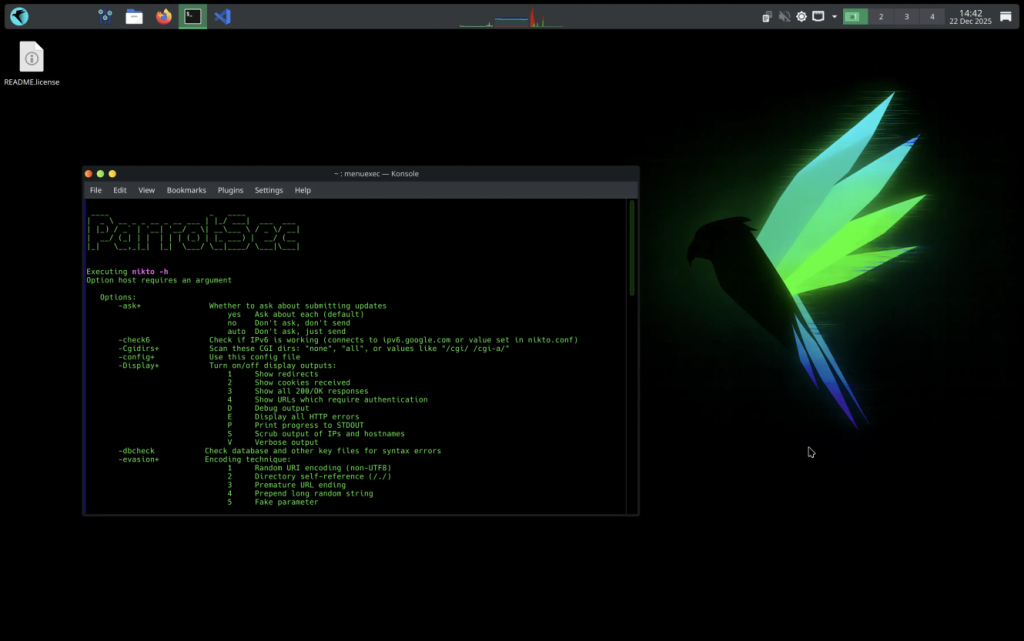
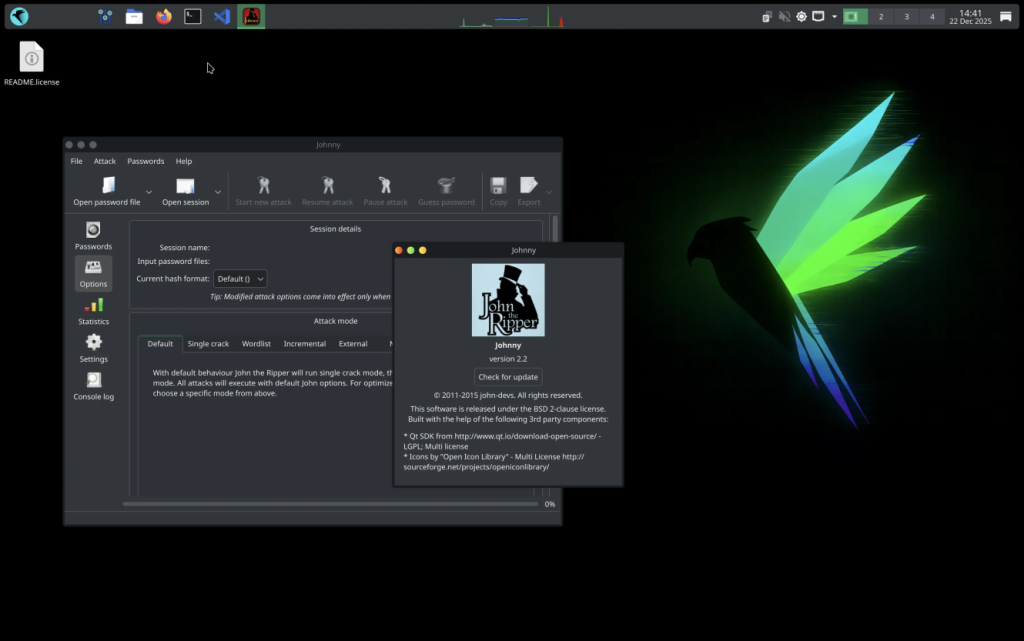
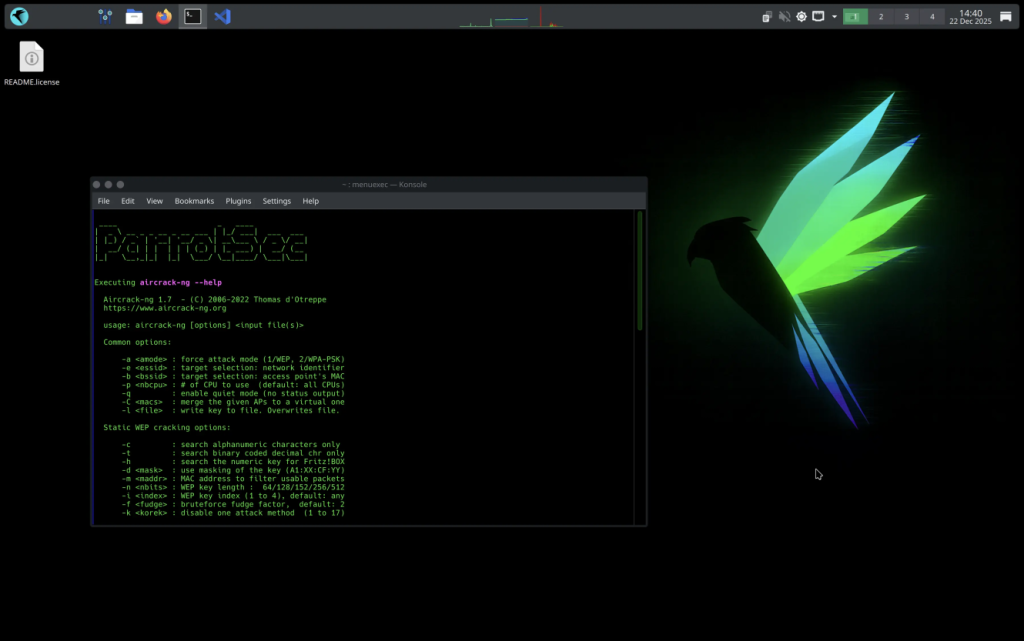
Parrot OS is a Debian-based Linux distribution meticulously crafted for security professionals, ethical hackers, penetration testers, digital forensics experts, and privacy-conscious individuals. It provides a comprehensive, portable laboratory environment equipped with an extensive collection of pre-installed tools for penetration testing, vulnerability assessment, reverse engineering, cloud security, anonymity, and cryptography. Built upon Debian’s stable branch, Parrot OS ensures a robust and reliable foundation, while employing a semi-rolling release model to keep its security tools and core components consistently up-to-date.
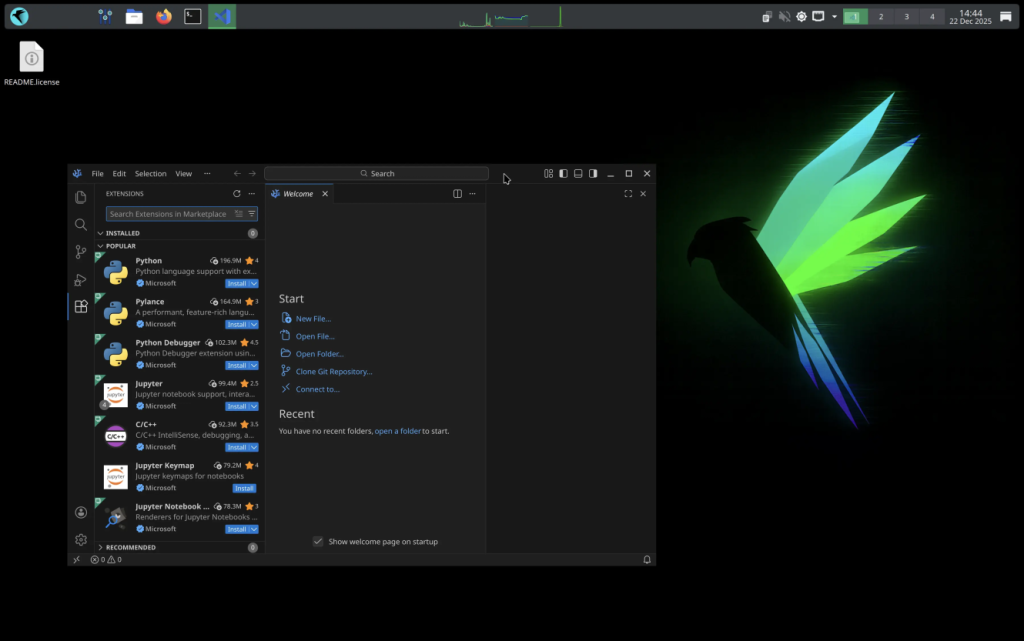
The operating system places a strong emphasis on user privacy and security, offering various editions tailored to diverse needs, including Home/Workstation, Security, and Architect editions. It features a lightweight MATE desktop environment by default, though other desktop options are available, striking an optimal balance between performance and functionality. Parrot OS aims to be accessible to both beginners and seasoned professionals, fostering a vibrant community-driven development approach and providing extensive documentation to support its global user base. Its unwavering commitment to open-source principles and continuous innovation solidifies its position as a leading choice in the cybersecurity domain.
 Parrot OS
📌 Overview & Description
Parrot OS is a Debian-based Linux distribution meticulously crafted for security professionals, ethical hackers, penetration testers, digital forensics experts, and privacy-conscious individuals. It provides a comprehensive, portable laboratory environment equipped with an extensive collection of pre-installed tools for penetration testing, vulnerability assessment, reverse engineering, cloud security, anonymity, and cryptography. Built upon Debian's stable branch, Parrot OS ensures a robust and reliable foundation, while employing a semi-rolling release model to keep its security tools and core components consistently up-to-date.
The operating system places a strong emphasis on user privacy and security, offering various editions tailored to diverse needs, including Home/Workstation, Security, and Architect editions. It features a lightweight MATE desktop environment by default, though other desktop options are available, striking an optimal balance between performance and functionality. Parrot OS aims to be accessible to both beginners and seasoned professionals, fostering a vibrant community-driven development approach and providing extensive documentation to support its global user base. Its unwavering commitment to open-source principles and continuous innovation solidifies its position as a leading choice in the cybersecurity domain.
⚙️ Technical Specifications & Release Timeline
💻 System Requirements (Minimum vs Recommended)
| Hardware Component | Minimum Requirements | Recommended Requirements |
|---|---|---|
|
Processor (CPU)
|
1 GHz dual-core processor | 2 GHz quad-core processor or better |
|
Memory (RAM)
|
2 GB | 8 GB or more |
|
Storage Space
|
20 GB | 128 GB SSD or more |
|
Graphics Card (GPU)
|
Standard VGA compatible graphics card, 1024x768 resolution | Modern graphics card with 1920x1080 resolution or higher |
✅ What is Supported
- Comprehensive suite of penetration testing and ethical hacking tools.
- Anonymity tools like Tor and I2P pre-configured.
- Full support for virtualization platforms (VirtualBox, VMware).
- Cloud-friendly tools for cloud security assessments.
- Digital forensics and reverse engineering frameworks.
- Development environments for multiple programming languages.
- Robust privacy features and secure browsing options.
- Support for a wide range of hardware, including ARM devices.
🚀 Best Supported For (Ideal Use Cases)
- Penetration testing and vulnerability assessment.
- Ethical hacking and red teaming operations.
- Digital forensics and incident response.
- Secure development and reverse engineering.
- Privacy-focused daily computing and anonymous browsing.
- Educational purposes in cybersecurity training.
- Cloud security auditing and infrastructure testing.
- Running on low-resource hardware like Raspberry Pi for specialized tasks.
🌟 Key Features & Advantages
OS Screenshots