elementary OS
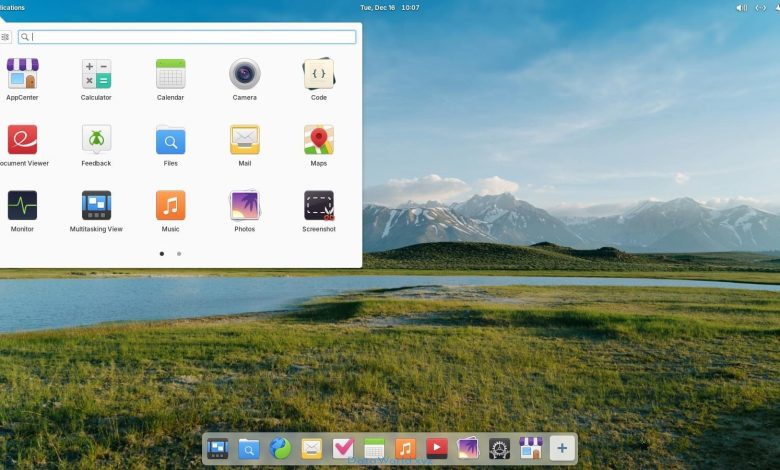
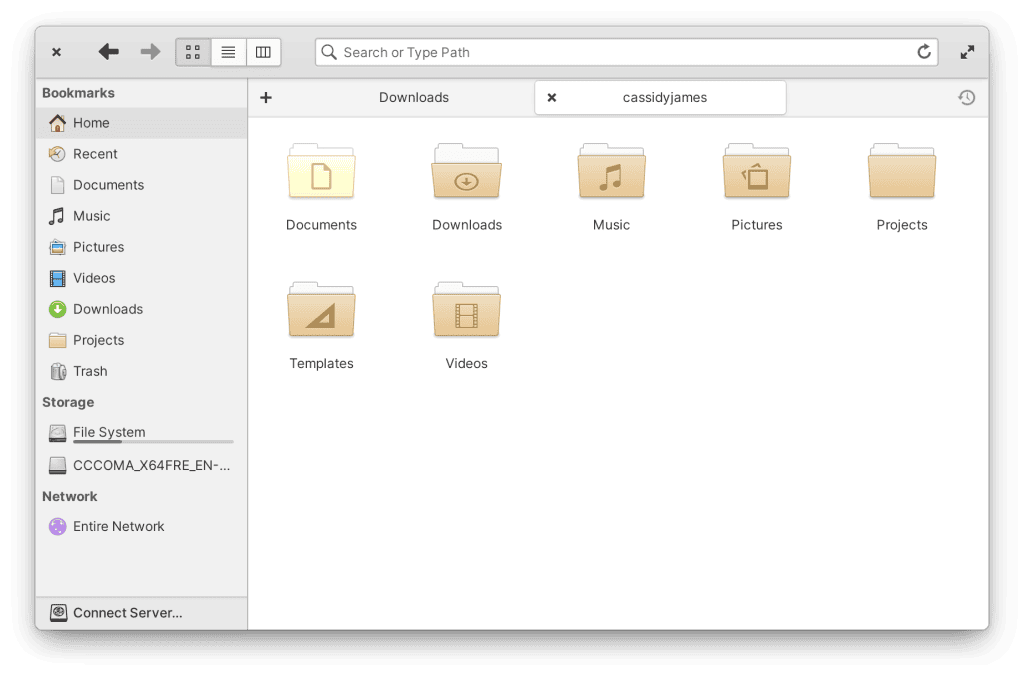
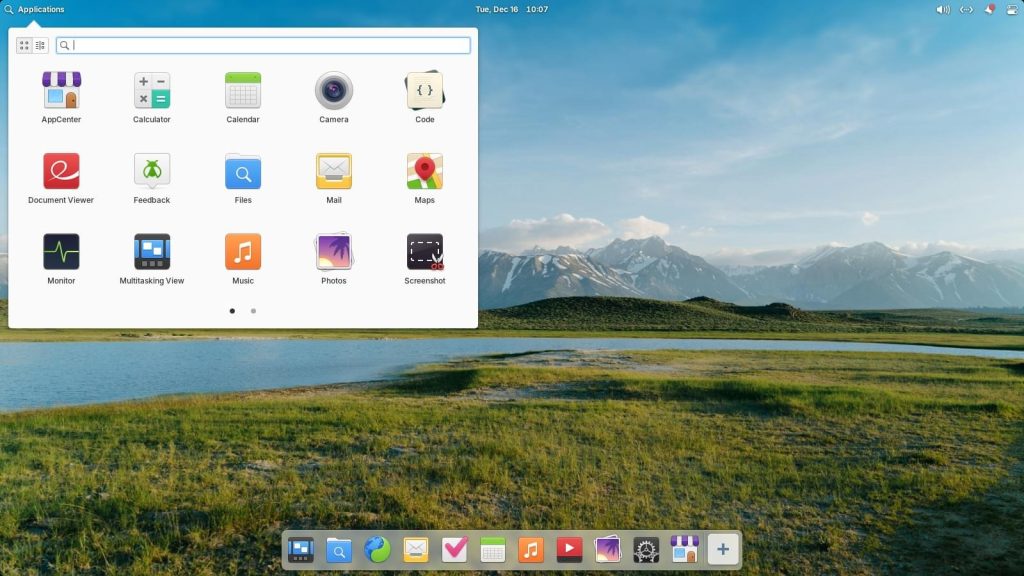
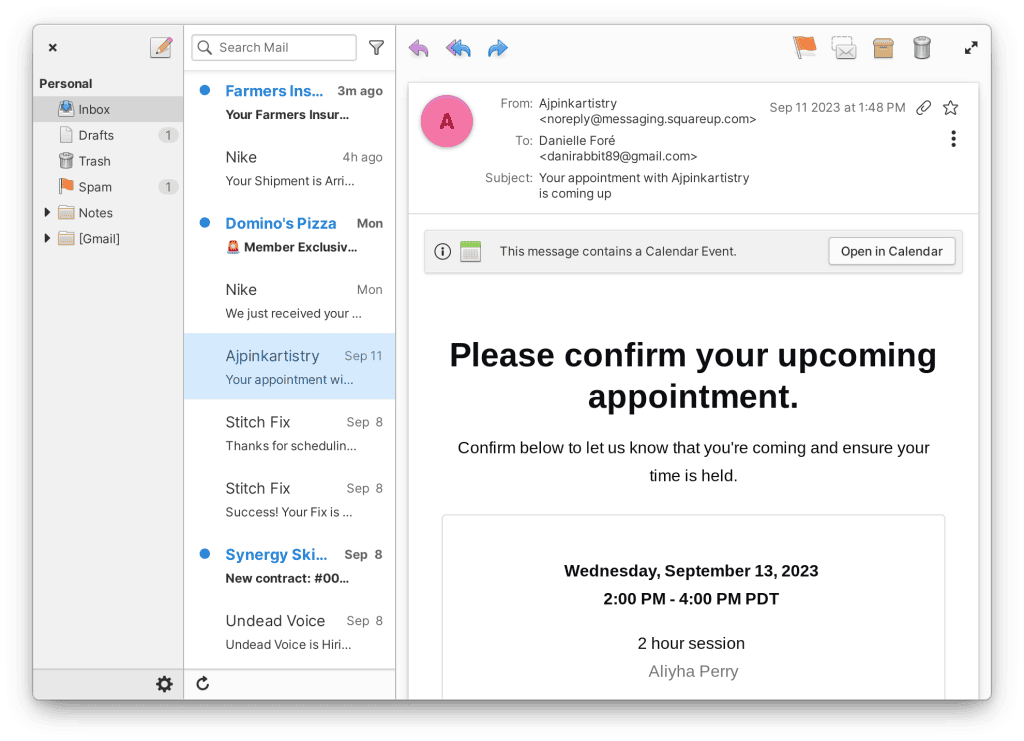
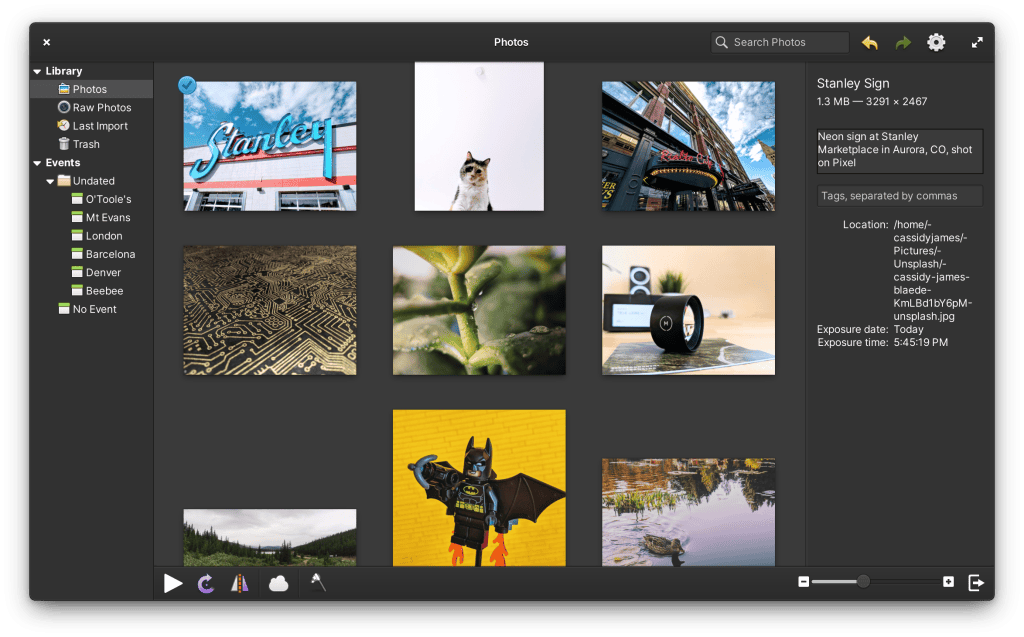
elementary OS is a Linux distribution based on Ubuntu, known for its elegant and intuitive user interface called Pantheon. The project’s core philosophy centers on creating a beautiful, user-friendly, and privacy-conscious computing experience, drawing inspiration from macOS’s design principles while maintaining the open-source ethos of Linux. It aims to provide a polished desktop environment that is both aesthetically pleasing and highly functional, focusing on a streamlined workflow and minimal distractions.
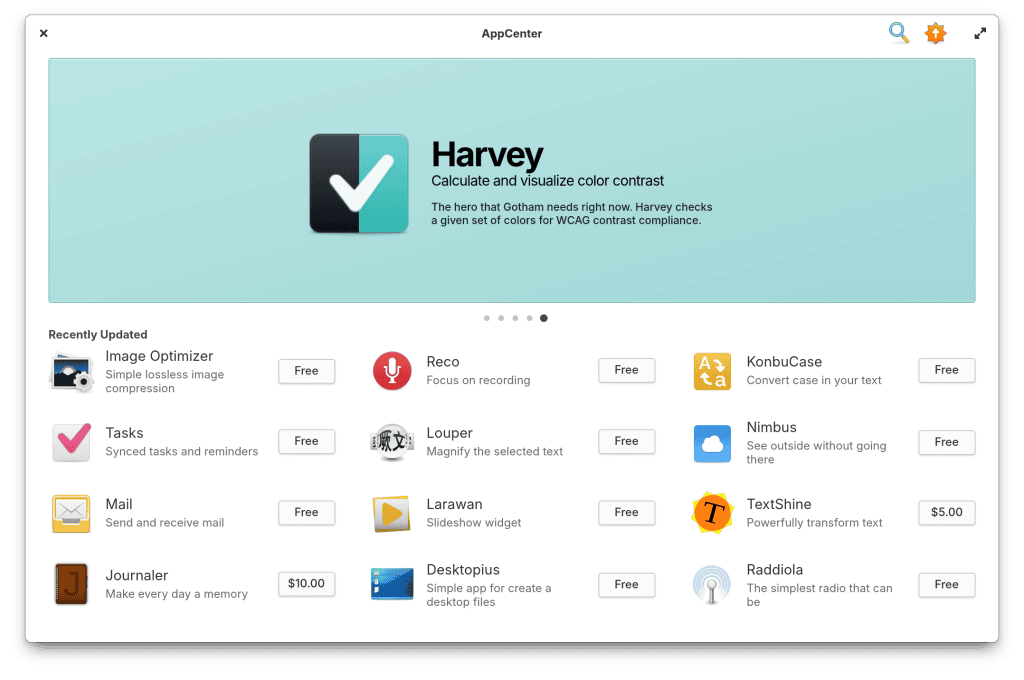
Developed by elementary, Inc., the operating system emphasizes thoughtful design, native applications, and a curated AppCenter for software discovery. It integrates tightly with its desktop environment, offering a cohesive experience across the system. elementary OS is built on a stable Ubuntu LTS (Long Term Support) base, ensuring reliability and long-term support for its users, making it a suitable choice for both new Linux users and those seeking a refined desktop experience.
 elementary OS
📌 Overview & Description
elementary OS is a Linux distribution based on Ubuntu, known for its elegant and intuitive user interface called Pantheon. The project's core philosophy centers on creating a beautiful, user-friendly, and privacy-conscious computing experience, drawing inspiration from macOS's design principles while maintaining the open-source ethos of Linux. It aims to provide a polished desktop environment that is both aesthetically pleasing and highly functional, focusing on a streamlined workflow and minimal distractions.
Developed by elementary, Inc., the operating system emphasizes thoughtful design, native applications, and a curated AppCenter for software discovery. It integrates tightly with its desktop environment, offering a cohesive experience across the system. elementary OS is built on a stable Ubuntu LTS (Long Term Support) base, ensuring reliability and long-term support for its users, making it a suitable choice for both new Linux users and those seeking a refined desktop experience.
⚙️ Technical Specifications & Release Timeline
💻 System Requirements (Minimum vs Recommended)
| Hardware Component | Minimum Requirements | Recommended Requirements |
|---|---|---|
|
Processor (CPU)
|
Intel i3 or comparable dual-core 64-bit processor | Intel i5 or comparable quad-core 64-bit processor |
|
Memory (RAM)
|
4 GB | 8 GB |
|
Storage Space
|
20 GB SSD (or HDD) | 256 GB NVMe SSD |
|
Graphics Card (GPU)
|
Integrated graphics with modern drivers (Intel HD Graphics 4000 or newer, AMD Radeon HD 7000 series or newer, NVIDIA GeForce 600 series or newer) and a 1024x768 display. | Dedicated or modern integrated graphics (Intel Iris Xe, AMD Radeon Vega, NVIDIA GeForce GTX 10 series or newer) and a 1920x1080 (Full HD) display. |
✅ What is Supported
- Modern 64-bit PC hardware
- Standard Linux software repositories and Flatpak
- Wide range of peripherals (printers, scanners, webcams)
- Multi-monitor setups
- Touchpad gestures and precision input devices
- Common file formats (documents, media, archives)
- Secure Boot and UEFI systems
🚀 Best Supported For (Ideal Use Cases)
- Users seeking a macOS-like aesthetic and workflow on Linux
- General productivity and web browsing
- Creative professionals (designers, writers) who value aesthetics
- Privacy-conscious users
- Education and home users looking for a simple, stable OS
- Developers who appreciate a clean, focused environment
- Users migrating from Windows or macOS to Linux
🌟 Key Features & Advantages
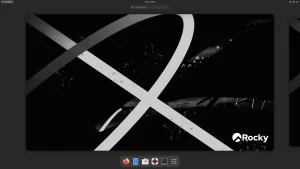
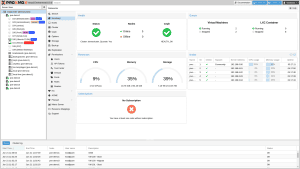
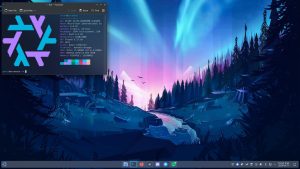
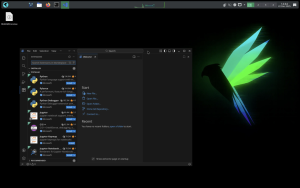
OS Screenshots