Raspberry Pi OS
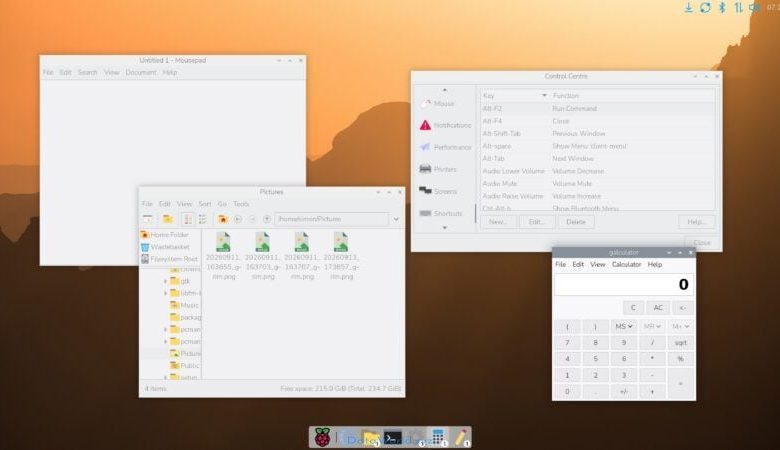
Raspberry Pi OS, formerly known as Raspbian, is a free operating system based on Debian Linux, specifically optimized for the Raspberry Pi line of single-board computers. Developed by the Raspberry Pi Foundation, it serves as the primary software platform for these devices, offering a stable and user-friendly environment for a wide range of applications, from educational programming and embedded systems to home automation and light desktop computing. Its core philosophy revolves around accessibility, education, and empowering users to learn about computing and electronics.
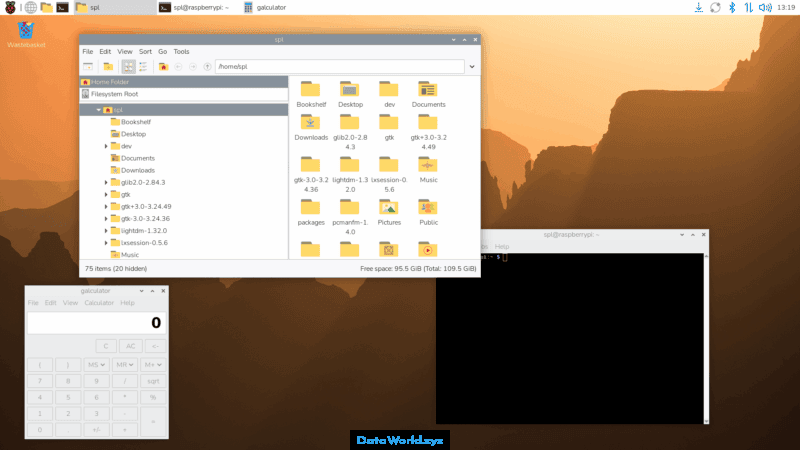
Built upon the robust Debian architecture, Raspberry Pi OS provides a full desktop experience with a custom LXDE-based (or Wayland-based in newer versions) environment, alongside a vast repository of software packages. It includes essential tools for development, multimedia, and productivity, making it suitable for both beginners and experienced developers. The OS is designed to leverage the unique hardware capabilities of the Raspberry Pi, including its GPIO pins for interfacing with external electronics, making it an ideal choice for IoT projects, robotics, and physical computing.
 Raspberry Pi OS
📌 Overview & Description
Raspberry Pi OS, formerly known as Raspbian, is a free operating system based on Debian Linux, specifically optimized for the Raspberry Pi line of single-board computers. Developed by the Raspberry Pi Foundation, it serves as the primary software platform for these devices, offering a stable and user-friendly environment for a wide range of applications, from educational programming and embedded systems to home automation and light desktop computing. Its core philosophy revolves around accessibility, education, and empowering users to learn about computing and electronics.
Built upon the robust Debian architecture, Raspberry Pi OS provides a full desktop experience with a custom LXDE-based (or Wayland-based in newer versions) environment, alongside a vast repository of software packages. It includes essential tools for development, multimedia, and productivity, making it suitable for both beginners and experienced developers. The OS is designed to leverage the unique hardware capabilities of the Raspberry Pi, including its GPIO pins for interfacing with external electronics, making it an ideal choice for IoT projects, robotics, and physical computing.
⚙️ Technical Specifications & Release Timeline
💻 System Requirements (Minimum vs Recommended)
| Hardware Component | Minimum Requirements | Recommended Requirements |
|---|---|---|
|
Processor (CPU)
|
ARM1176JZF-S (Raspberry Pi 1) | Broadcom BCM2712 (Raspberry Pi 5) |
|
Memory (RAM)
|
256MB | 4GB or 8GB |
|
Storage Space
|
8GB microSD card | 32GB high-speed microSD card or NVMe SSD |
|
Graphics Card (GPU)
|
Broadcom VideoCore IV (integrated) | Broadcom VideoCore VII (integrated) |
✅ What is Supported
- General Purpose Input/Output (GPIO) control
- Wide range of ARM-compatible software packages
- Desktop environment (LXDE/Wayland) and server configurations
- Hardware-accelerated video decoding and encoding
- Various network protocols and services
- USB, HDMI, CSI, DSI, and other standard interfaces
- Python, C/C++, Java, Node.js, and other programming languages
🚀 Best Supported For (Ideal Use Cases)
- Educational programming and computer science learning
- IoT device development and home automation projects
- Embedded systems and industrial control applications
- Lightweight desktop computing and web browsing
- Media centers and retro gaming emulation
- Small-scale servers (web, file, VPN)
- Robotics and physical computing projects
🌟 Key Features & Advantages
Raspberry Pi OS — OS Screenshots