SteamOS
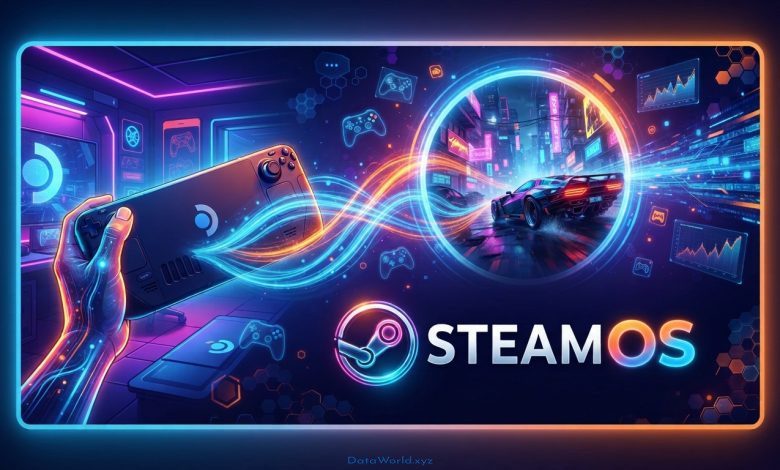
SteamOS is a Linux-based operating system developed by Valve Corporation, primarily designed to provide a console-like gaming experience for PC hardware. Initially launched in 2013 as part of Valve’s Steam Machine initiative, its goal was to bring PC gaming into the living room with a dedicated, open-source platform. While the Steam Machines had limited success, the underlying philosophy of a gaming-focused Linux OS persisted and found its true realization with the launch of the Steam Deck handheld gaming PC in 2022.
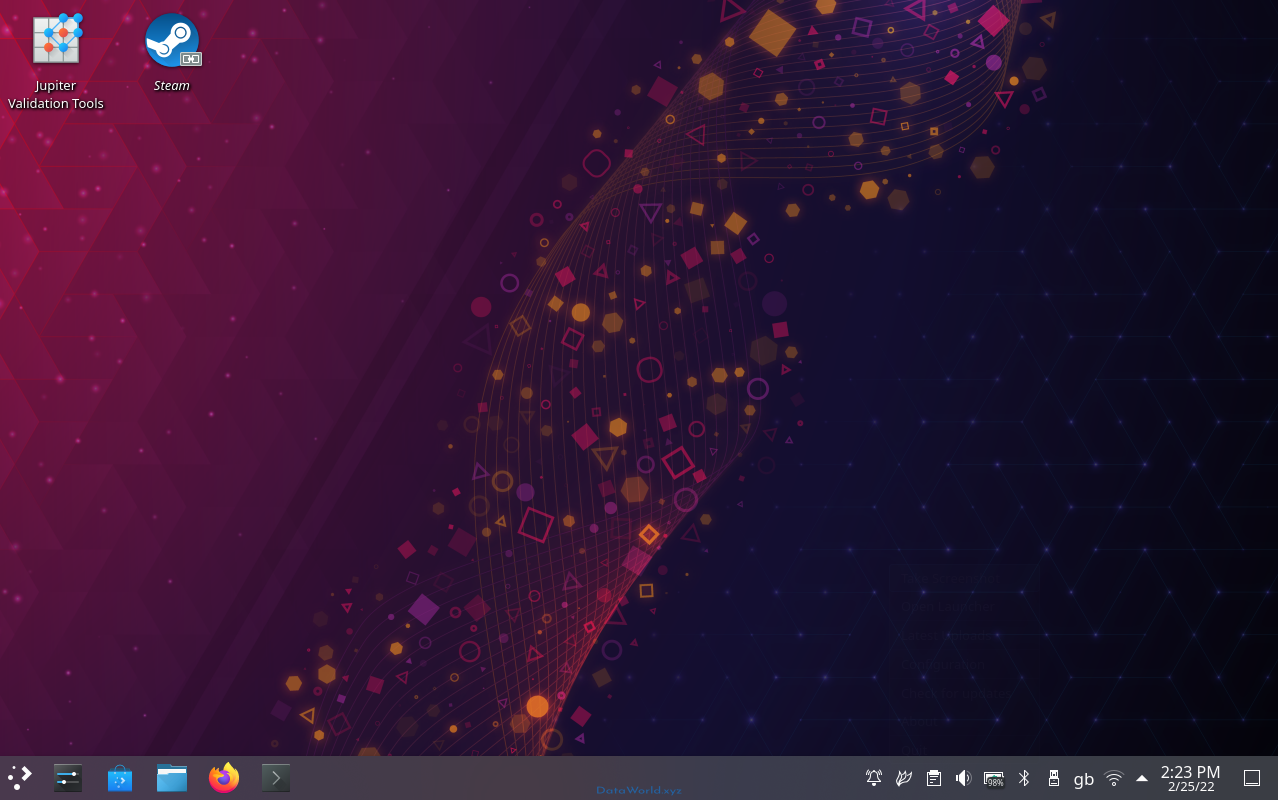
The current iteration, SteamOS 3.x, is based on Arch Linux (a shift from the Debian base of SteamOS 2.x) and features a custom KDE Plasma desktop environment, alongside a highly optimized ‘Gaming Mode’ that provides a full-screen, controller-friendly interface for launching and managing games. A core component of SteamOS is Proton, a compatibility layer that allows a vast library of Windows-native games to run seamlessly on Linux, often with performance comparable to or exceeding their Windows counterparts. This combination delivers a powerful and flexible platform, offering both a streamlined gaming experience and the full capabilities of a modern Linux desktop.
 SteamOS
📌 Overview & Description
SteamOS is a Linux-based operating system developed by Valve Corporation, primarily designed to provide a console-like gaming experience for PC hardware. Initially launched in 2013 as part of Valve's Steam Machine initiative, its goal was to bring PC gaming into the living room with a dedicated, open-source platform. While the Steam Machines had limited success, the underlying philosophy of a gaming-focused Linux OS persisted and found its true realization with the launch of the Steam Deck handheld gaming PC in 2022.
The current iteration, SteamOS 3.x, is based on Arch Linux (a shift from the Debian base of SteamOS 2.x) and features a custom KDE Plasma desktop environment, alongside a highly optimized 'Gaming Mode' that provides a full-screen, controller-friendly interface for launching and managing games. A core component of SteamOS is Proton, a compatibility layer that allows a vast library of Windows-native games to run seamlessly on Linux, often with performance comparable to or exceeding their Windows counterparts. This combination delivers a powerful and flexible platform, offering both a streamlined gaming experience and the full capabilities of a modern Linux desktop.
⚙️ Technical Specifications & Release Timeline
💻 System Requirements (Minimum vs Recommended)
| Hardware Component | Minimum Requirements | Recommended Requirements |
|---|---|---|
|
Processor (CPU)
|
AMD Zen 2 (4 cores / 8 threads) or equivalent x86-64 CPU | AMD Zen 2 (4 cores / 8 threads) or modern x86-64 quad-core CPU |
|
Memory (RAM)
|
16 GB LPDDR5 (unified memory for Steam Deck) or 4 GB DDR4 (for generic PC installations) | 16 GB LPDDR5 (unified memory for Steam Deck) or 8 GB DDR4+ |
|
Storage Space
|
64 GB eMMC (for Steam Deck) or 20 GB SSD/HDD (for generic PC installations) | 256 GB NVMe SSD or faster |
|
Graphics Card (GPU)
|
AMD RDNA 2 (8 CUs) or DirectX 10 compatible discrete/integrated GPU | AMD RDNA 2 (8 CUs) or modern AMD RDNA / NVIDIA GeForce GTX 10-series or newer |
✅ What is Supported
- - Steam Deck hardware and its variants
- - Vast library of PC games available on Steam
- - Proton compatibility layer for running Windows-native games
- - Full desktop environment (KDE Plasma) for productivity and Linux applications
- - External displays, docks, and a wide range of USB peripherals
- - Controller input (Steam Input, Xbox, PlayStation, generic controllers)
- - Cloud saves, Remote Play, and other Steam ecosystem features
- - System-level updates and driver management
🚀 Best Supported For (Ideal Use Cases)
- - Gaming on the Steam Deck and other Valve-certified hardware
- - Seamless, console-like gaming experience for PC titles
- - Playing a wide array of Windows-only games on a Linux platform
- - Portable and handheld PC gaming
- - Users seeking a dedicated, optimized gaming OS
- - Open-source enthusiasts who appreciate a gaming-focused Linux distribution
- - Integrating PC gaming into a living room setup
🌟 Key Features & Advantages