Debian
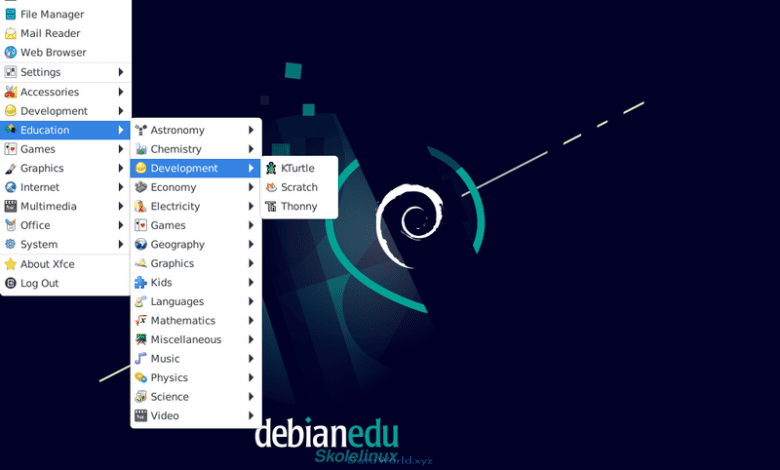
Debian GNU/Linux is a free and open-source operating system renowned for its stability, security, and commitment to free software principles. Initiated by Ian Murdock in 1993, Debian has grown into one of the most influential Linux distributions, serving as the foundation for numerous other popular operating systems, including Ubuntu. Its core philosophy revolves around a strong dedication to the Debian Free Software Guidelines (DFSG), ensuring that all components within its main repository are truly free.
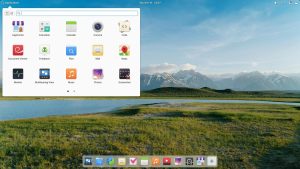
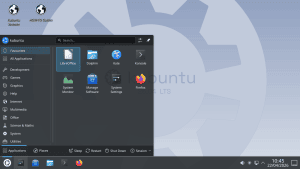
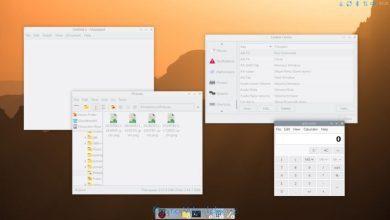
Architecturally, Debian primarily utilizes the Linux kernel combined with GNU system utilities, forming a robust and highly customizable environment. It boasts an incredibly vast repository of pre-compiled software packages managed by the APT (Advanced Package Tool) system, making software installation and management straightforward. Users can choose from a wide array of desktop environments, including GNOME, KDE Plasma, XFCE, MATE, and Cinnamon, allowing for a highly personalized user experience suitable for both desktop workstations and mission-critical servers. Its rigorous testing and release cycle contribute to its reputation for rock-solid reliability.
 Debian GNU/Linux
📌 Overview & Description
Debian GNU/Linux is a free and open-source operating system renowned for its stability, security, and commitment to free software principles. Initiated by Ian Murdock in 1993, Debian has grown into one of the most influential Linux distributions, serving as the foundation for numerous other popular operating systems, including Ubuntu. Its core philosophy revolves around a strong dedication to the Debian Free Software Guidelines (DFSG), ensuring that all components within its main repository are truly free.
Architecturally, Debian primarily utilizes the Linux kernel combined with GNU system utilities, forming a robust and highly customizable environment. It boasts an incredibly vast repository of pre-compiled software packages managed by the APT (Advanced Package Tool) system, making software installation and management straightforward. Users can choose from a wide array of desktop environments, including GNOME, KDE Plasma, XFCE, MATE, and Cinnamon, allowing for a highly personalized user experience suitable for both desktop workstations and mission-critical servers. Its rigorous testing and release cycle contribute to its reputation for rock-solid reliability.
⚙️ Technical Specifications & Release Timeline
💻 System Requirements (Minimum vs Recommended)
| Hardware Component | Minimum Requirements | Recommended Requirements |
|---|---|---|
|
Processor (CPU)
|
1 GHz single-core processor | 2 GHz dual-core or better |
|
Memory (RAM)
|
1 GB (for graphical desktop), 512 MB (for minimal/text-mode install) | 4 GB or more |
|
Storage Space
|
20 GB (for graphical desktop), 10 GB (for minimal install) | 100 GB SSD |
|
Graphics Card (GPU)
|
VGA compatible graphics card, 800x600 resolution | Modern GPU with 3D acceleration, 1920x1080 resolution |
✅ What is Supported
- Extensive hardware support for desktops, laptops, servers, and embedded systems
- Multiple desktop environments including GNOME, KDE Plasma, XFCE, MATE, LXDE, and Cinnamon
- Thousands of free and open-source software packages via the APT package manager
- Comprehensive development tools and programming language support (Python, C/C++, Java, Ruby, etc.)
- Robust server roles (web, database, mail, file, virtualization, containerization)
- Advanced networking capabilities and security features
- Accessibility features for users with disabilities
- Internationalization and localization for numerous languages
🚀 Best Supported For (Ideal Use Cases)
- Mission-critical servers requiring high stability and long-term support
- Development workstations for software engineers and programmers
- Secure and reliable desktop environments for general users and professionals
- Embedded systems and IoT devices due to its flexibility and minimal footprint options
- Scientific computing, academic research, and educational institutions
- Cloud infrastructure and virtualized environments
- Users who prioritize free software principles and community-driven development
🌟 Key Features & Advantages
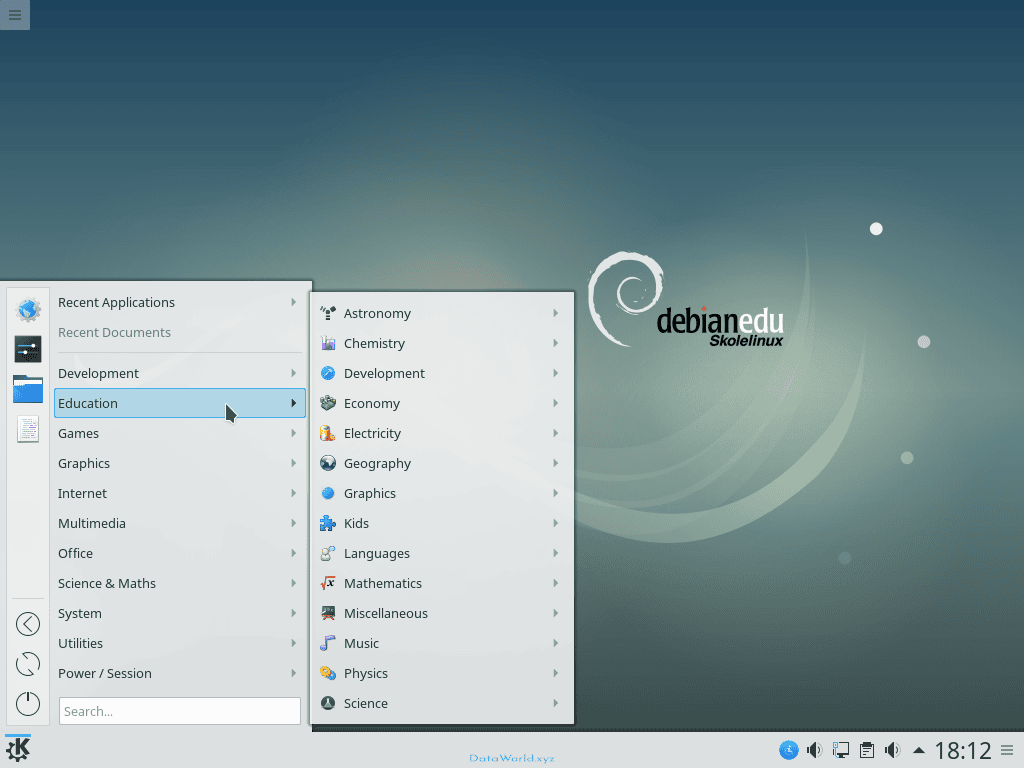
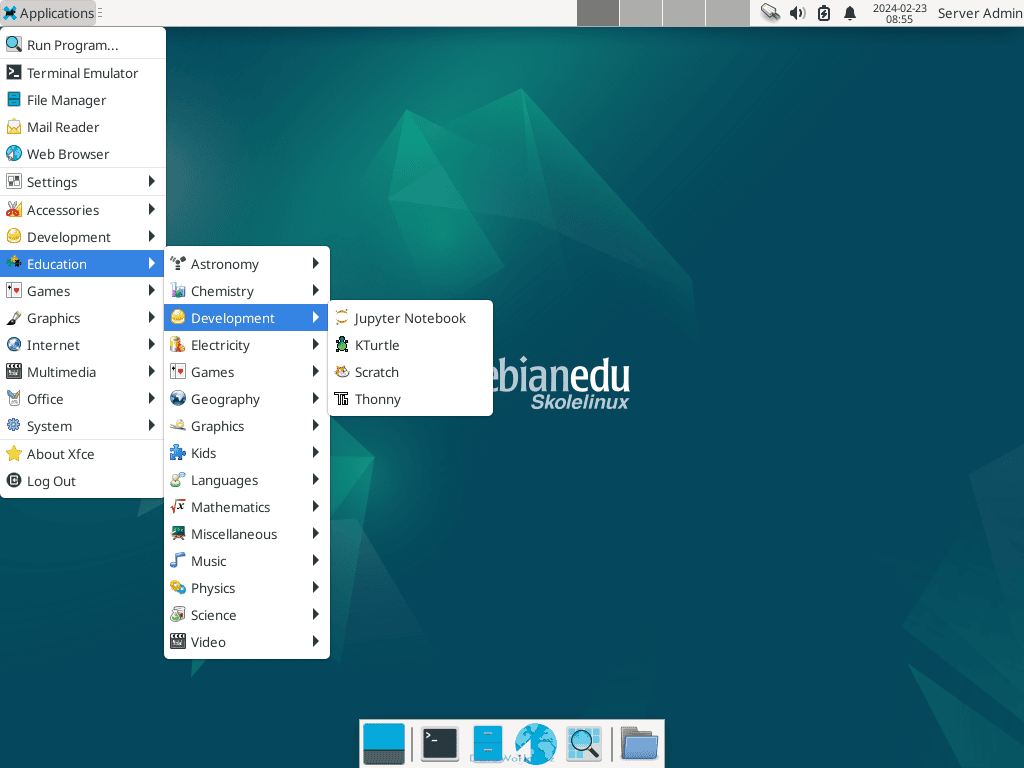
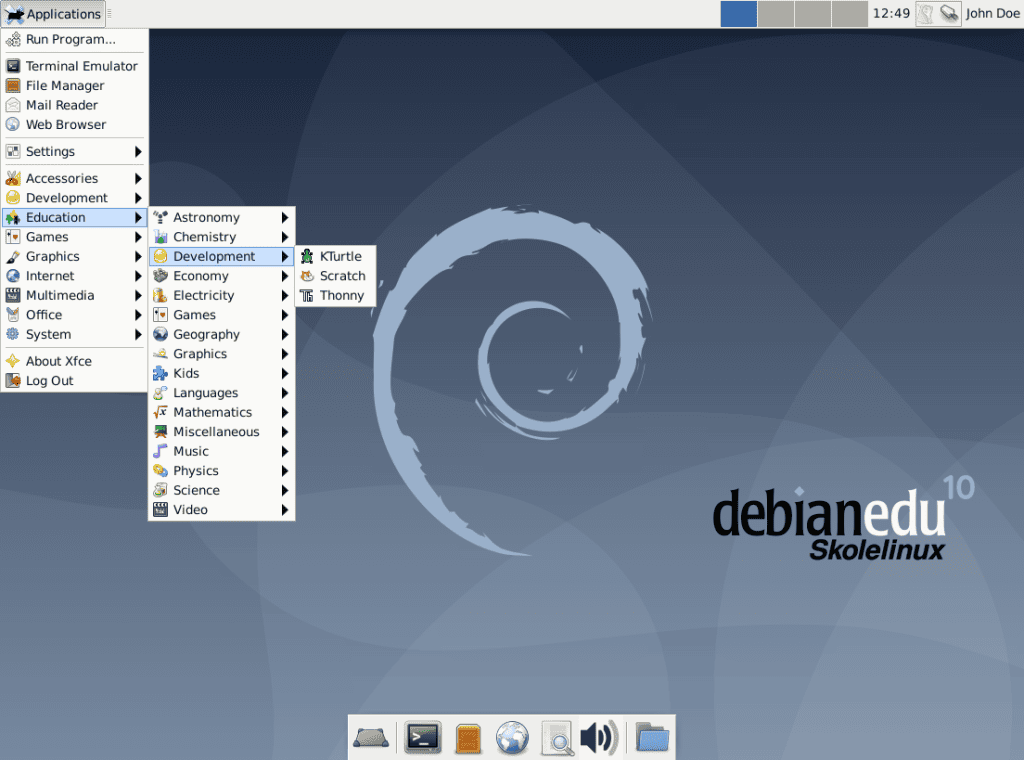
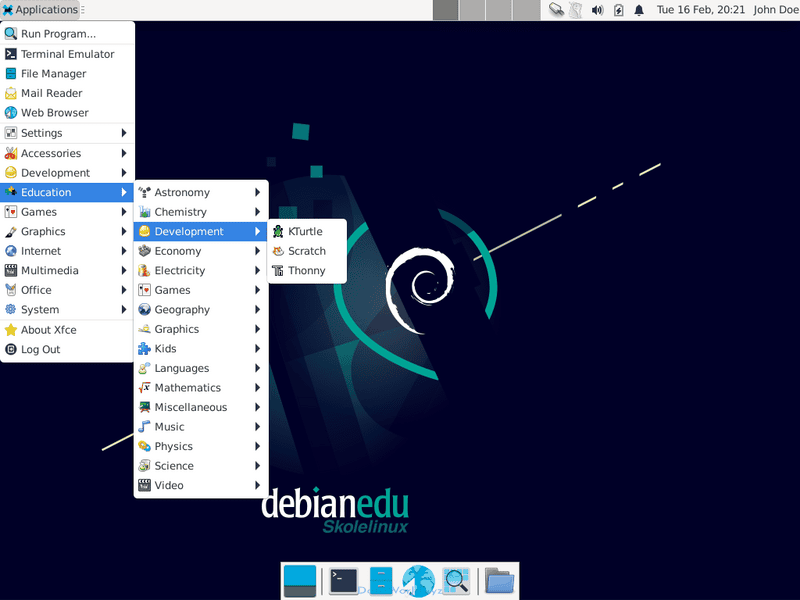
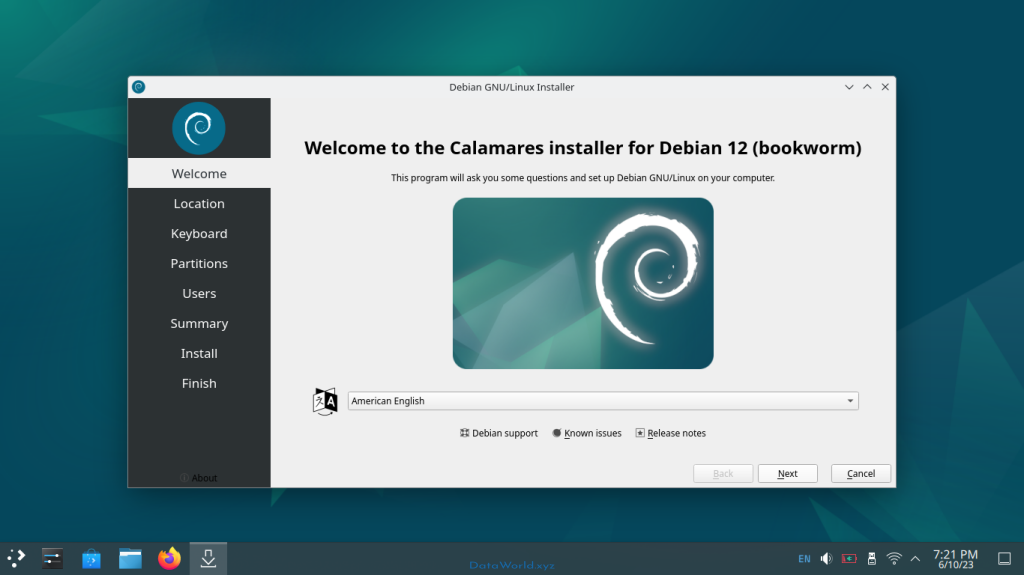
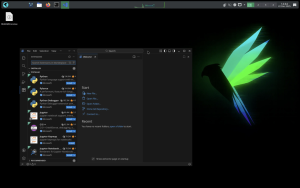
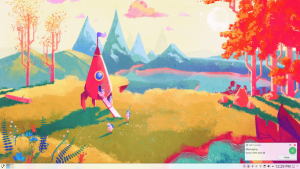
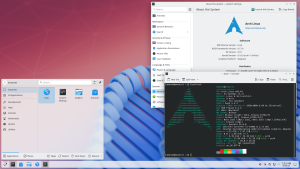
OS Screenshots