openSUSE
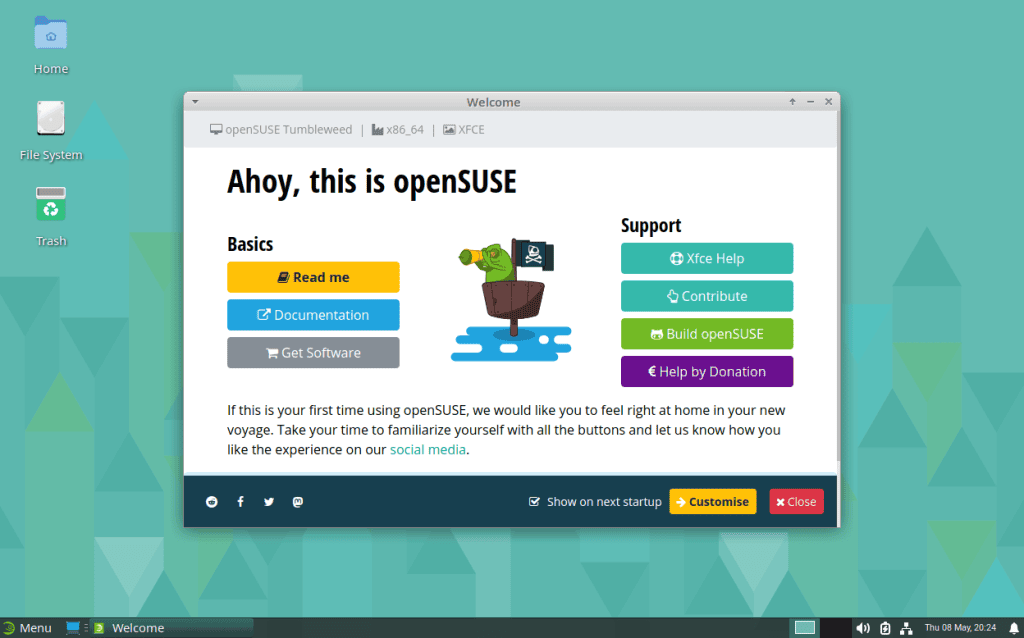
openSUSE is a community-driven Linux distribution sponsored by SUSE. It is renowned for its robust and user-friendly desktop environment, powerful system administration tools like YaST (Yet another Setup Tool), and its commitment to open-source principles. The project offers two main distributions: openSUSE Leap, a stable release based on SUSE Linux Enterprise (SLE) with a fixed release cycle, and openSUSE Tumbleweed, a pure rolling release that provides the latest stable software packages as soon as they are available.
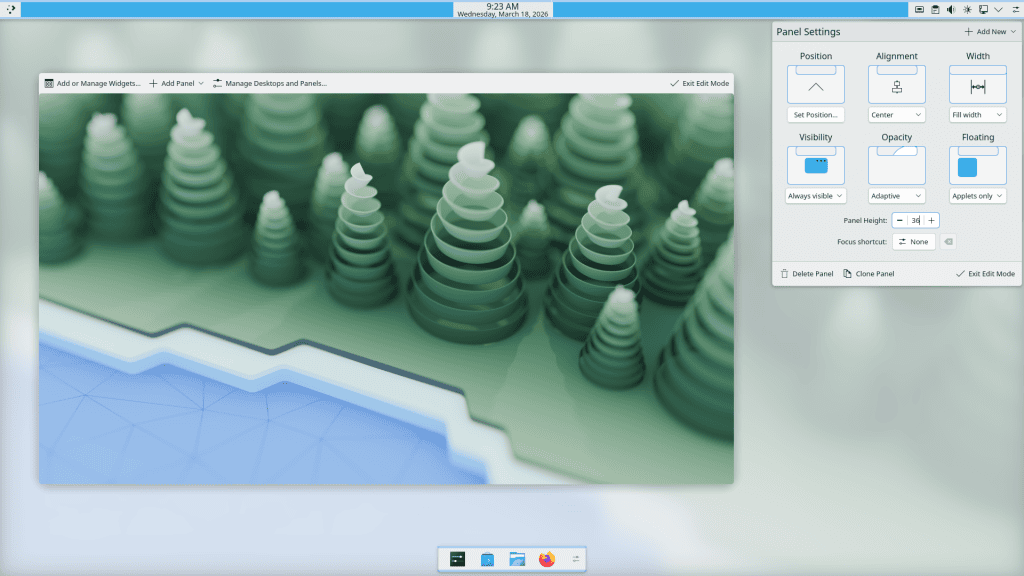
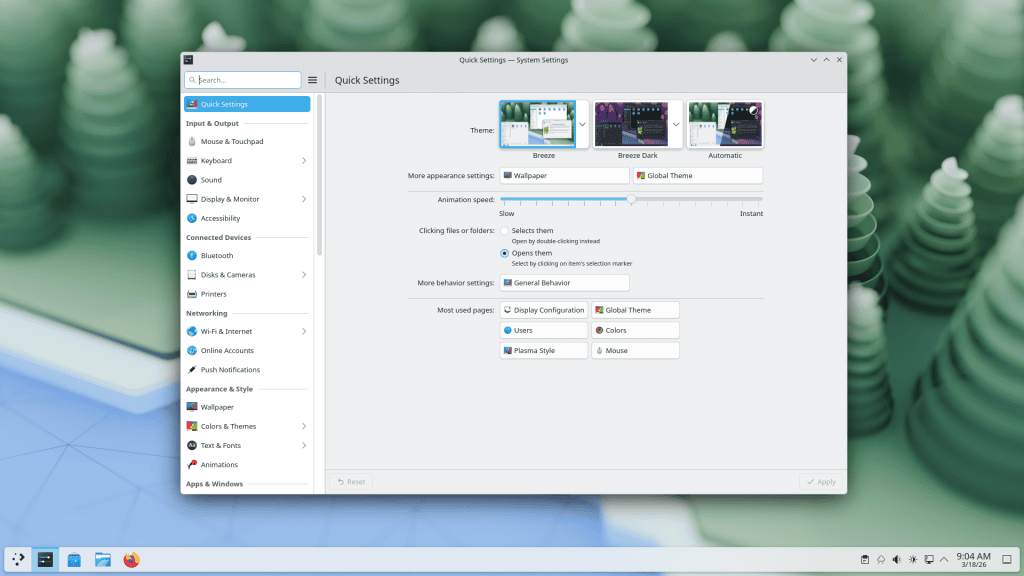
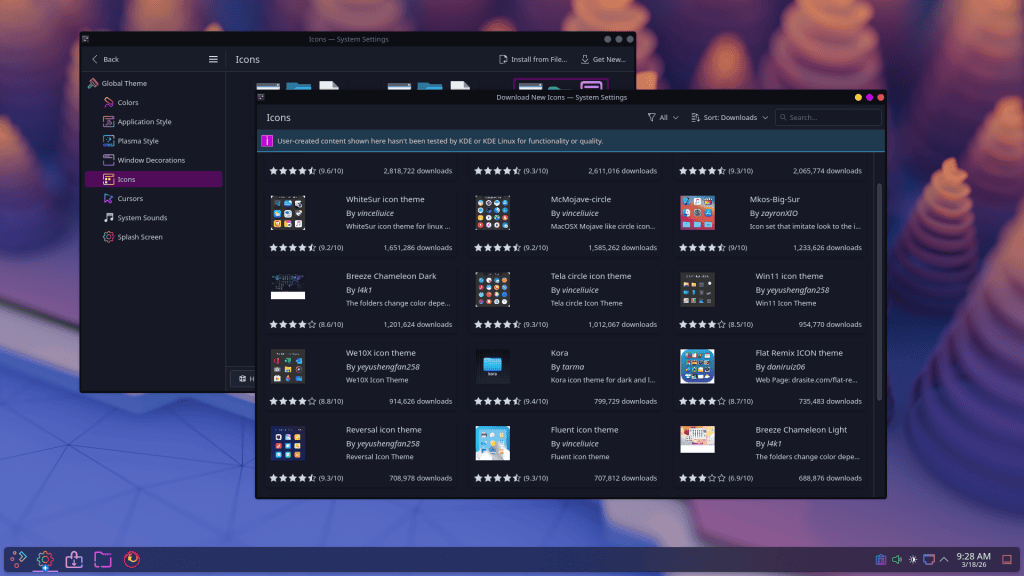
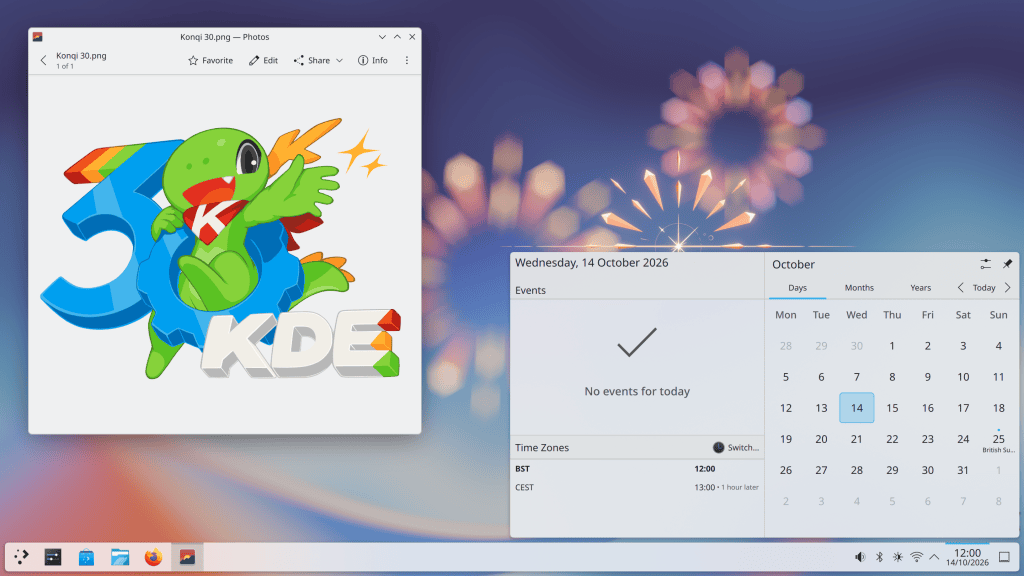
Historically, openSUSE evolved from SUSE Linux, which was first released in 1994. The openSUSE Project was officially launched in 2005 to make SUSE’s distribution more accessible to a wider audience and foster community involvement. Its core philosophy emphasizes freedom, choice, and collaboration, providing users with a highly customizable and reliable operating system suitable for both personal computing and professional development. The distribution is known for its polished integration of various desktop environments, including KDE Plasma (often considered its flagship) and GNOME, alongside a wide array of server and development tools.
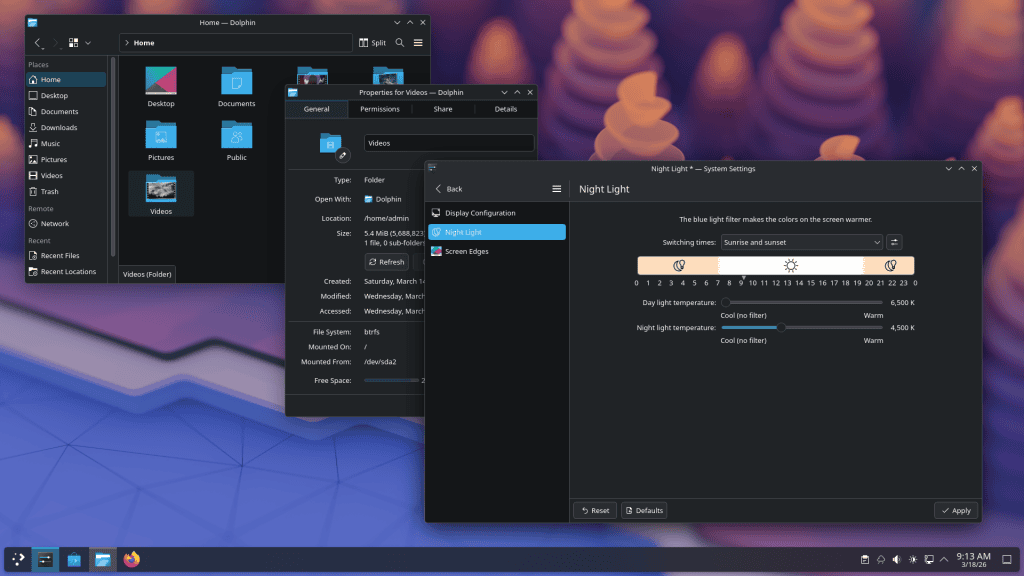
Architecturally, openSUSE is a Linux-based operating system utilizing the monolithic Linux kernel. It supports a broad range of hardware architectures and offers advanced features like Btrfs as the default filesystem with snapshotting capabilities (Snapper), which greatly enhances system rollback and recovery. The user experience is characterized by its balance of cutting-edge features (especially in Tumbleweed) and enterprise-grade stability (in Leap), all managed through intuitive tools and a vibrant community support network.
 openSUSE
📌 Overview & Description
openSUSE is a community-driven Linux distribution sponsored by SUSE. It is renowned for its robust and user-friendly desktop environment, powerful system administration tools like YaST (Yet another Setup Tool), and its commitment to open-source principles. The project offers two main distributions: openSUSE Leap, a stable release based on SUSE Linux Enterprise (SLE) with a fixed release cycle, and openSUSE Tumbleweed, a pure rolling release that provides the latest stable software packages as soon as they are available.
Historically, openSUSE evolved from SUSE Linux, which was first released in 1994. The openSUSE Project was officially launched in 2005 to make SUSE's distribution more accessible to a wider audience and foster community involvement. Its core philosophy emphasizes freedom, choice, and collaboration, providing users with a highly customizable and reliable operating system suitable for both personal computing and professional development. The distribution is known for its polished integration of various desktop environments, including KDE Plasma (often considered its flagship) and GNOME, alongside a wide array of server and development tools.
Architecturally, openSUSE is a Linux-based operating system utilizing the monolithic Linux kernel. It supports a broad range of hardware architectures and offers advanced features like Btrfs as the default filesystem with snapshotting capabilities (Snapper), which greatly enhances system rollback and recovery. The user experience is characterized by its balance of cutting-edge features (especially in Tumbleweed) and enterprise-grade stability (in Leap), all managed through intuitive tools and a vibrant community support network.
⚙️ Technical Specifications & Release Timeline
💻 System Requirements (Minimum vs Recommended)
| Hardware Component | Minimum Requirements | Recommended Requirements |
|---|---|---|
|
Processor (CPU)
|
Dual-core 2 GHz processor | Quad-core 2.5 GHz or better |
|
Memory (RAM)
|
2 GB | 8 GB |
|
Storage Space
|
15 GB | 50 GB SSD |
|
Graphics Card (GPU)
|
Any graphics card with 800x600 resolution support | Modern GPU with 1920x1080 resolution support |
✅ What is Supported
- Wide range of desktop environments (KDE Plasma, GNOME, Xfce, LXQt, MATE)
- YaST for comprehensive system configuration and management
- Btrfs filesystem with Snapper for system rollbacks
- Support for various hardware architectures including x86_64 and ARM64
- Extensive software repositories with thousands of packages
- Virtualization technologies like KVM, Xen, and VirtualBox
- Containerization platforms such as Docker and Podman
- Robust security features and regular updates
🚀 Best Supported For (Ideal Use Cases)
- Desktop users seeking a stable and polished experience (Leap)
- Developers needing the latest software and tools (Tumbleweed)
- System administrators requiring powerful configuration tools (YaST)
- Users who value Btrfs snapshots for system recovery
- Those who prefer KDE Plasma as their primary desktop environment
- Individuals and organizations looking for a community-driven, open-source solution
- Users who appreciate a balance between cutting-edge features and enterprise-grade stability
🌟 Key Features & Advantages
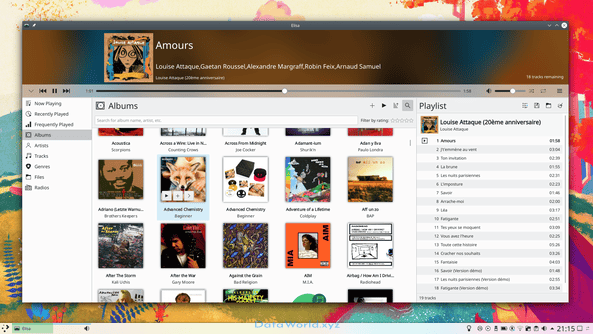
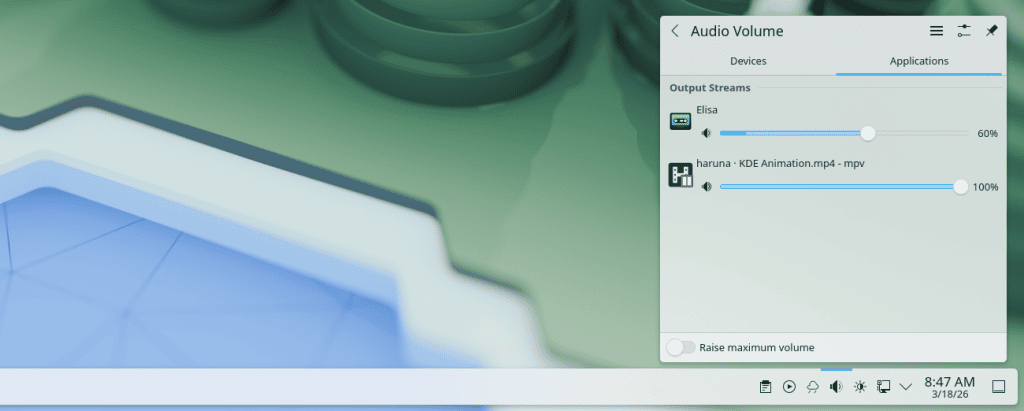
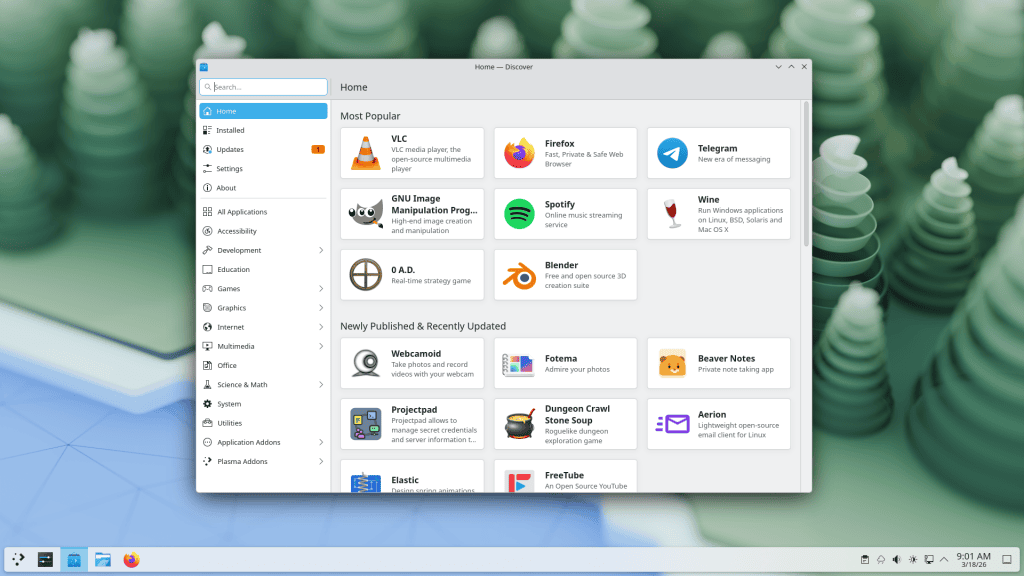
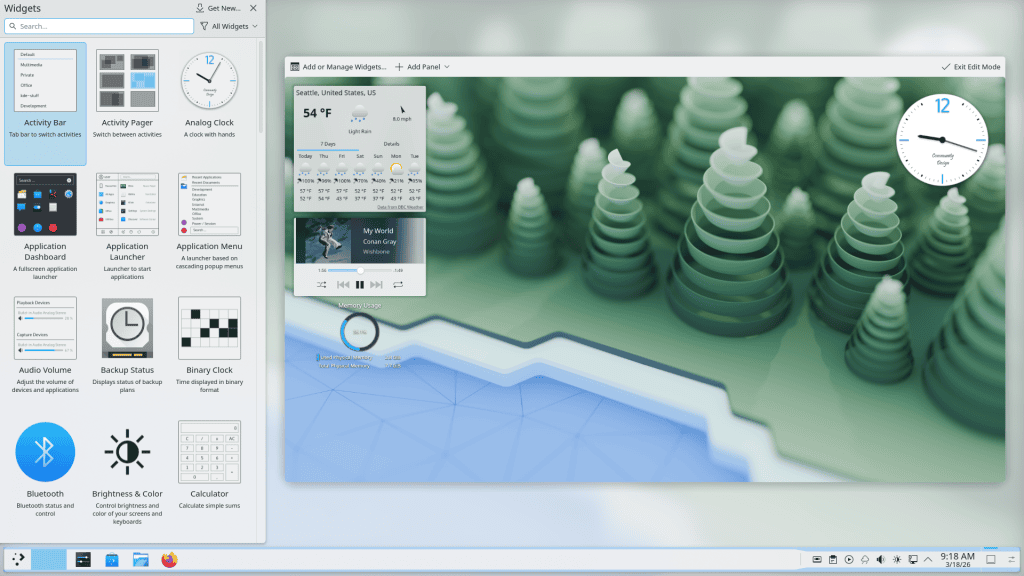
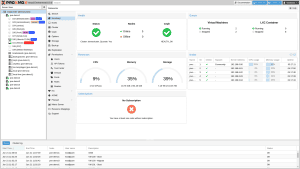
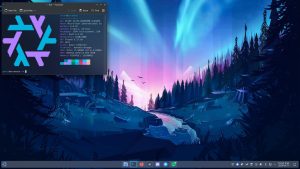
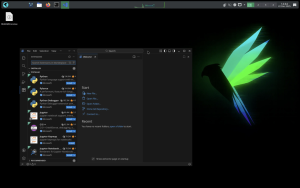
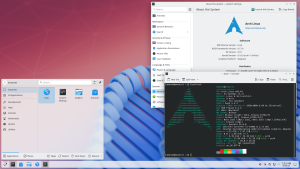
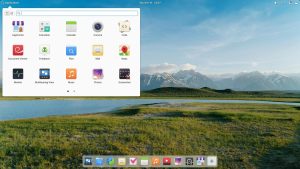
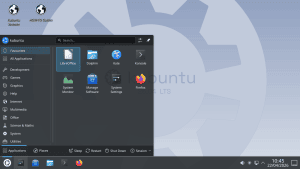
OS Screenshots