Ubuntu
Ubuntu is a popular, free, and open-source Linux distribution based on Debian. Developed by Canonical Ltd. and a community of developers, it aims to provide a user-friendly, secure, and stable operating system for personal computers, servers, and cloud environments. Its core philosophy, “Linux for human beings,” emphasizes accessibility, ease of use, and a commitment to free software principles, making it a gateway for many users into the Linux ecosystem.
Since its initial release in 2004, Ubuntu has maintained a predictable release cycle, offering both Long Term Support (LTS) versions every two years, which receive five years of free security and maintenance updates, and interim releases every six months with nine months of support. It primarily uses the GNOME desktop environment by default, though numerous official derivatives (flavors) offer alternatives like KDE Plasma (Kubuntu), Xfce (Xubuntu), MATE (Ubuntu MATE), and more. Its robust package management system (APT) provides access to a vast repository of software, ensuring users can find tools for almost any task.
Ubuntu’s architecture is built upon the Linux kernel and GNU utilities, providing a powerful and flexible foundation. It is widely adopted across various sectors, from individual users and educational institutions to large enterprises and cloud providers. Its versatility, combined with strong community and commercial support, has solidified its position as one of the most influential and widely used Linux distributions globally, driving innovation in desktop computing, server infrastructure, and emerging technologies like IoT and AI.
 Ubuntu
📌 Overview & Description
Ubuntu is a popular, free, and open-source Linux distribution based on Debian. Developed by Canonical Ltd. and a community of developers, it aims to provide a user-friendly, secure, and stable operating system for personal computers, servers, and cloud environments. Its core philosophy, "Linux for human beings," emphasizes accessibility, ease of use, and a commitment to free software principles, making it a gateway for many users into the Linux ecosystem.
Since its initial release in 2004, Ubuntu has maintained a predictable release cycle, offering both Long Term Support (LTS) versions every two years, which receive five years of free security and maintenance updates, and interim releases every six months with nine months of support. It primarily uses the GNOME desktop environment by default, though numerous official derivatives (flavors) offer alternatives like KDE Plasma (Kubuntu), Xfce (Xubuntu), MATE (Ubuntu MATE), and more. Its robust package management system (APT) provides access to a vast repository of software, ensuring users can find tools for almost any task.
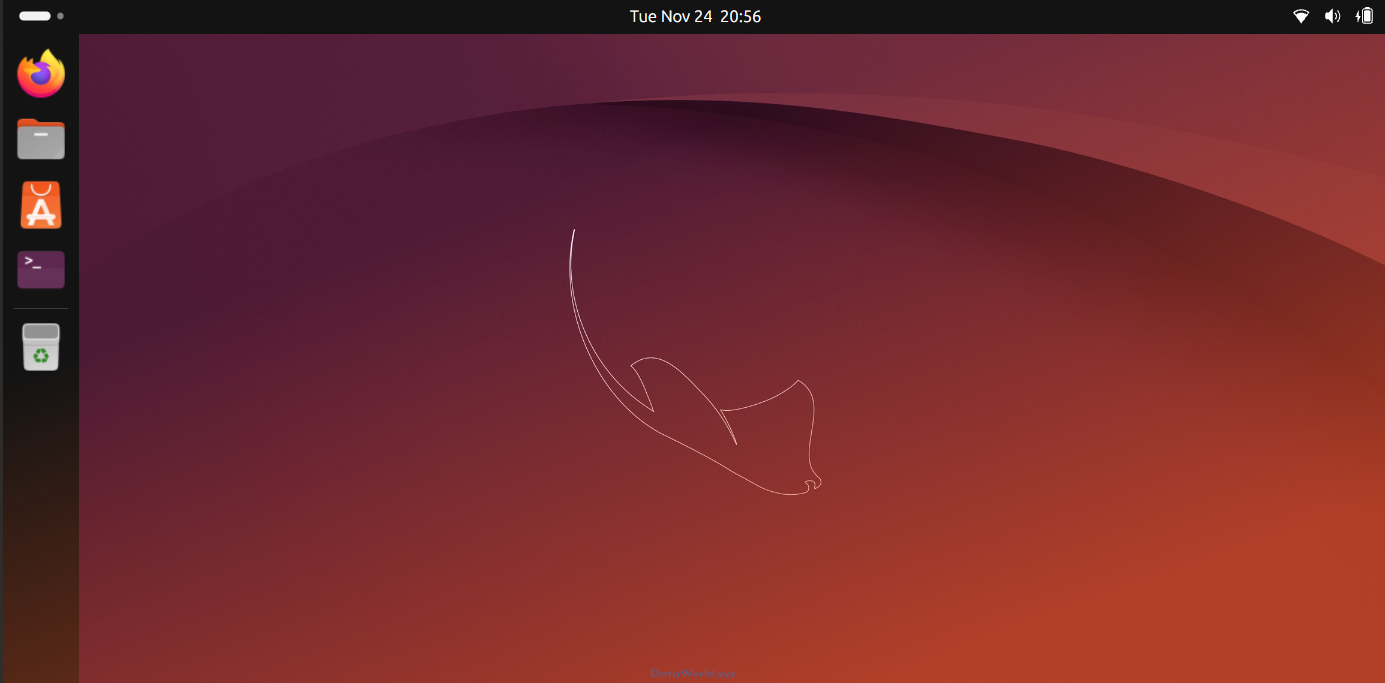
Ubuntu's architecture is built upon the Linux kernel and GNU utilities, providing a powerful and flexible foundation. It is widely adopted across various sectors, from individual users and educational institutions to large enterprises and cloud providers. Its versatility, combined with strong community and commercial support, has solidified its position as one of the most influential and widely used Linux distributions globally, driving innovation in desktop computing, server infrastructure, and emerging technologies like IoT and AI.
⚙️ Technical Specifications & Release Timeline
💻 System Requirements (Minimum vs Recommended)
| Hardware Component | Minimum Requirements | Recommended Requirements |
|---|---|---|
|
Processor (CPU)
|
2 GHz dual-core processor | 2 GHz dual-core processor or better |
|
Memory (RAM)
|
4 GB | 8 GB or more |
|
Storage Space
|
25 GB | 100 GB SSD or more |
|
Graphics Card (GPU)
|
Graphics card with 1024x768 resolution support | Modern graphics card with 3D acceleration and 1920x1080 resolution support |
✅ What is Supported
- Wide range of desktop, laptop, and server hardware
- Extensive software repositories via APT package manager
- Multiple desktop environments (GNOME, KDE, Xfce, MATE, etc.)
- Cloud platforms (AWS, Azure, Google Cloud, OpenStack)
- Virtualization technologies (KVM, VirtualBox, VMware)
- Containerization (Docker, Kubernetes, LXD)
- Development tools for various programming languages
- Multimedia, office, and productivity applications
🚀 Best Supported For (Ideal Use Cases)
- General-purpose desktop computing for home and office
- Server deployments (web, database, file, mail servers)
- Cloud computing and virtualization environments
- Software development and programming workstations
- IoT and embedded systems projects
- Educational and research institutions
- Data science and machine learning platforms
- Network infrastructure and security applications
🌟 Key Features & Advantages